Need Movers in Washington? These Are Your Best Bets
Looking for a mover in DC that won't ghost you or wreck your favorite lamp? You're in the right place—browse our list of local pros who actually know their way around these narrow rowhouse streets.
Map of Businesses in Washington
All Listings in Washington
7 businesses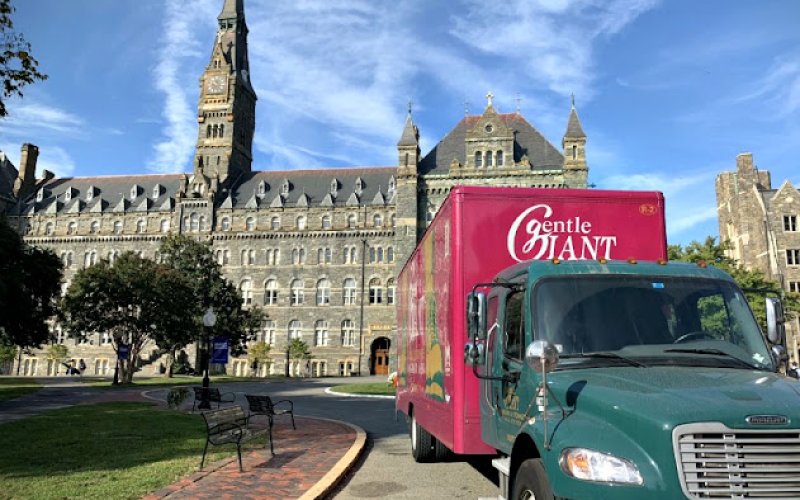
Gentle Giant Moving Company
Moving and storage service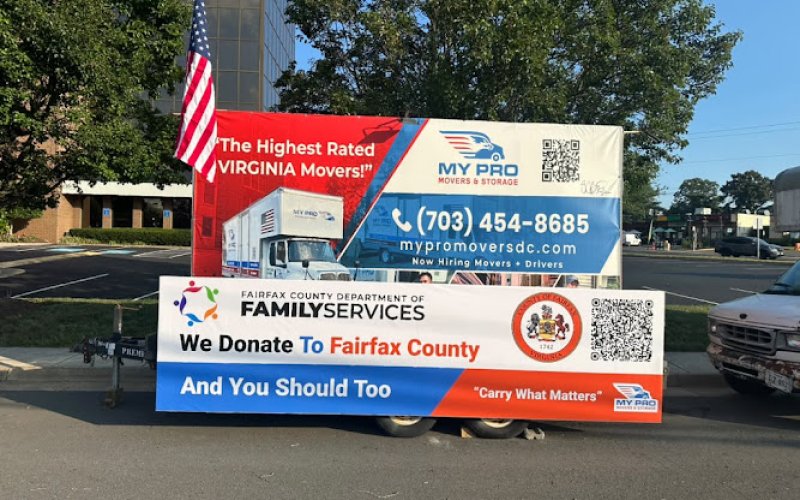
MyProMovers DC
Moving and storage service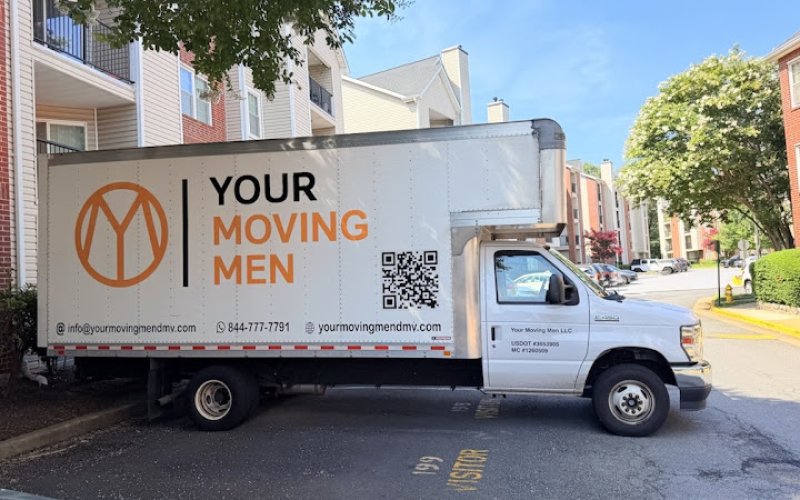
Your Moving Men | DC Moving Company
Moving service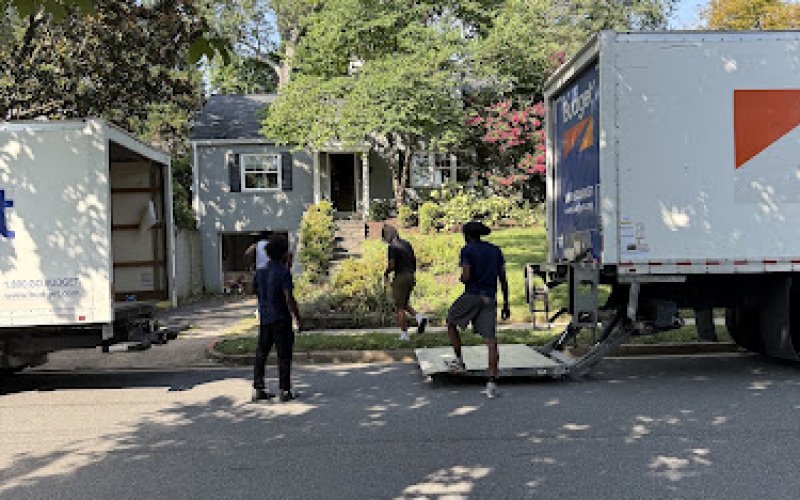
A Anytime Movers
Moving service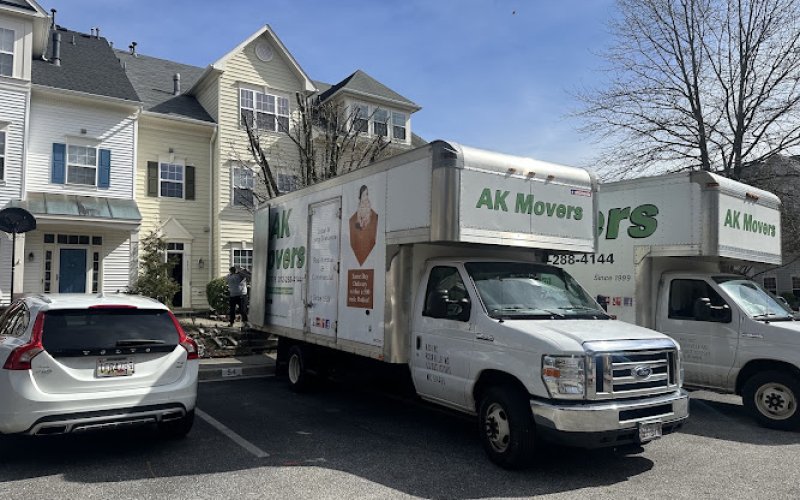
AK Movers
Moving service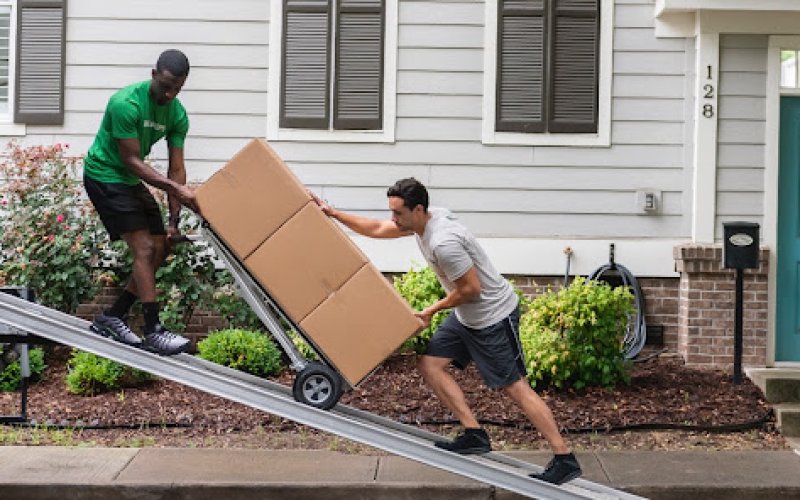
Bellhop Moving - Washington DC
Moving service
District Relocators
Moving serviceAbout mover in Washington
Washington is a city where the calendar, not the weather, decides your moving date. Federal job rotations, academic semesters, and the usual lease-cycle churn all land on a small set of days.
The market is crowded and fragmented. You'll find big national van lines, mid-sized local outfits, and a long tail of small crews with a truck and a phone number. Quality varies a lot, and so does pricing.
Demand comes from a few predictable groups: renters turning over apartments, students tied to the university calendar, government and contractor relocations, and homeowners trading up and out toward the suburbs. Corporate and federal moves tend to be more paperwork-heavy than anywhere else.
What makes DC different? Density, mostly. Narrow rowhouse streets, strict parking rules, and high-rises with reservation-only elevators mean a mover's logistics skill matters as much as their muscle. A crew that's great in a suburban cul-de-sac can struggle on a block in Capitol Hill.
Capitol Hill
- Area Profile: Historic rowhouses, a mix of long-term homeowners, congressional staff, and young professionals. Tree-lined, walkable, and tightly packed.
- Movers Activity: Lots of rowhouse moves with stairs, plus staff turnover tied to election cycles and the congressional calendar.
- Price Range: A local 1–2 bedroom job commonly runs $500–$1,500; larger multi-story rowhouses can climb well past that.
- Local Note: 📍 Narrow streets and residential parking zones mean you'll often need a temporary parking restriction sign or permit arranged ahead of time. Stairs and tight turns add labor.
Dupont Circle & Logan Circle
- Area Profile: Dense, urban, a blend of older apartment buildings, converted townhouses, and newer condos. Younger professionals and longtime residents share the blocks.
- Movers Activity: High volume of studio and one-bedroom moves, frequent elevator-dependent jobs, and steady turnover.
- Price Range: Studios and 1BRs often fall around $400–$1,200 locally, depending on stairs, distance, and crew size.
- Local Note: Older buildings sometimes have small freight elevators or none at all. Ask about this up front—it changes the labor estimate.
Navy Yard & Southwest Waterfront
- Area Profile: Newer high-rise development, a younger renter base, lots of amenity-heavy buildings.
- Movers Activity: Constant lease-up and turnover, mostly apartment-to-apartment moves.
- Price Range: Typically $450–$1,300 for a local move, with building rules often driving the real cost.
- Local Note: ⚠️ Many newer buildings require a certificate of insurance from the moving company and a booked loading dock window. No paperwork, no move.
📊 Current Price Points:
- Budget options: roughly $300–$700 for a small local move, often hourly with a minimum (expect a basic crew and truck, little extra service)
- Mid-range: roughly $800–$2,000 (the most popular segment, covering most 1–3 bedroom local moves)
- Premium: $2,500+ (full-service packing, specialty items, or long-distance moves out of the region)
📈 Market Trends:
- Demand: steady year-round, with sharp seasonal peaks
- Booking lead time: tight in summer, much looser in winter
- Pricing direction: gradual upward pressure on labor and fuel costs, which tends to show up in hourly rates
- Seasonality: school year endings and the first and last days of the month squeeze availability hardest
- Rule of thumb: book a few weeks out in a normal month, and a month or more for peak summer dates
💰 What People Are Spending:
- Studio or 1BR local move: typically $400–$1,200
- 2–3BR local move: often $900–$2,500
- Rowhouse or larger home with stairs: commonly $1,500–$4,000
- Long-distance move: widely variable, often several thousand dollars depending on distance and weight
- Short-term storage add-on: usually a monthly fee on top of the move itself
Economic Indicators: The federal government is the obvious anchor, supported by a large ecosystem of contractors, lobbyists, nonprofits, and universities. That mix produces a transient workforce, which is exactly what keeps movers busy.
The region keeps drawing new residents, even as some households push outward to suburban Maryland and Northern Virginia. That outward shuffle generates its own steady stream of long local moves.
Local Market Dynamics: Lease cycles drive a lot of the volume, and political cycles add their own bursts of turnover. The competition is fragmented: a few well-known firms, plenty of smaller operators, and lots of lead-generation sites that resell your request to whoever bids.
How This Affects You: Because supply is crowded, you can usually get multiple quotes quickly. But the same fragmentation means quality and honesty vary. A cheap quote from a stranger on a peak date deserves extra scrutiny.
Washington Seasonal Patterns:
- ☀️ Spring/Summer: peak demand, higher prices, thin availability (graduations, new jobs, lease turnovers)
- 🍂 Fall: demand cools after the student rush, and more flexibility appears
- ❄️ Winter: the slowest stretch, often the best chance at lower rates, with the usual risk of snow or ice delays
- 📅 Peak crunch: the end and start of each month, especially in summer
Timing Tips for Washington: Mid-month, mid-week dates tend to be easier to book and sometimes cheaper. Lease-end clustering means everyone wants the same Saturday. If your dates are flexible, you hold real leverage.
Smart Timing Tips:
- ✓ Avoid the last weekend of the month if you can
- ✓ Book early for summer, a month or more ahead when possible
- ✓ Ask about weekday discounts
- ✓ Reserve your building's elevator or loading dock before locking in the crew
Credentials to Verify: For moves crossing state lines, the company should have a USDOT number and FMCSA registration, which you can look up on the FMCSA website. For moves entirely within DC, check how the District licenses local movers and confirm the company is in good standing.
Membership in the American Trucking Associations' moving group (the AMSA ProMover program) is a useful signal, not a guarantee. Cross-check reviews on several platforms rather than trusting one.
Questions to Ask:
- How long have you operated in Washington?
- Can you provide local references?
- Is your estimate binding, non-binding, or capped?
⚠️ Red Flags:
- A lowball estimate that balloons on move day
- A large cash deposit demanded upfront
- No local address, a rebranded name, or an unmarked rental truck
- Holding belongings until you pay extra charges
Where to Check Complaints: FMCSA for interstate movers, the BBB, and the review patterns on Google and Yelp. Look for repeated complaints about the same issue, not just star ratings.
✓ A real, established presence in Washington
✓ Verifiable local reviews and references
✓ Transparent pricing, no hidden fees
✓ A clear process explained upfront
✓ Responsive communication
No written estimate or contract
Refusal to provide insurance documentation
Pressure to pay a big cash deposit
Reviews that show a pattern of damage or price hikes
Check Reviews & Ratings
We recommend verifying businesses through trusted review platforms before making a decision.
Frequently Asked Questions
Popular Categories in Washington
Explore Other Cities
Professional Categories in Washington, DC
Related Services from Similar Professionals