Trusted, Top-Rated Movers Serving Miami, FL
Welcome to your local mover directory in Miami, FL. Find trusted professionals in your area.
Map of Businesses in Miami
All Listings in Miami
17 businesses
Eazy As Pie Moving
Moving service
Miami Gardens tiny pinga
Logistics service
Miami Movers For Less
Moving and storage service
Movers of Miami
Moving and storage service
Prime Movers
Moving and storage service
Pure Moving Company Miami Movers Local & Long distance
Moving company
Straight Move LLC
Moving and storage service
305 Pro Movers
Moving company
All Star Moving & Storage Van Lines Relocation LLC
Moving service
City Movers Miami
Moving and storage service
Executive Movers and Packers Local & Long Distance Moving Company
Moving company
Pro Movers Miami
Moving company
Royal Movers Inc
Moving company
The Miami Movers
Moving and storage service
Jesus Moving - Movers in Miami
Moving company
Nobel Relocation Moving & Storage
Moving service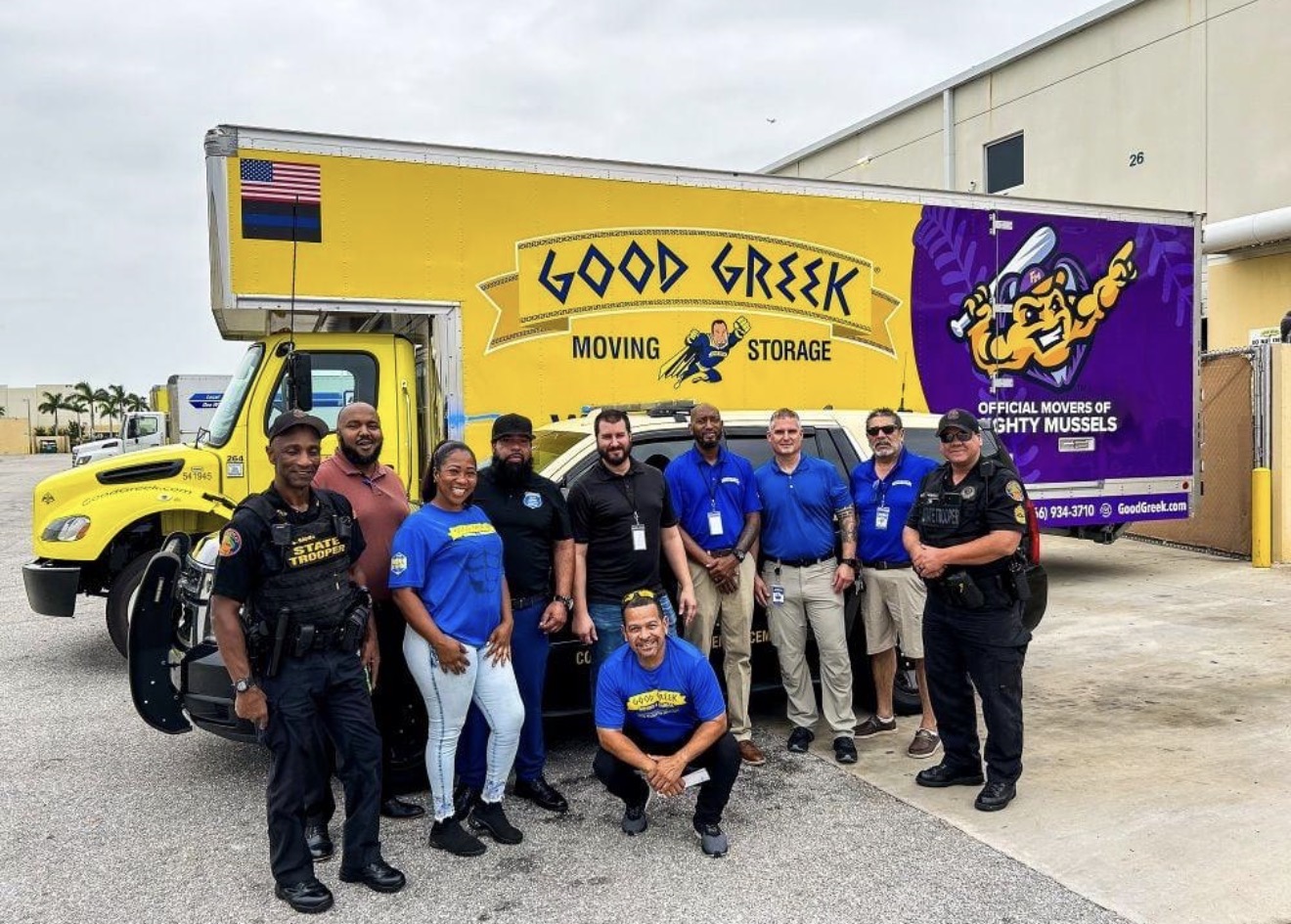
Good Greek Moving & Storage
Moving and storage serviceGood Greek Moving & Storage is a full-service moving and storage company serving customers throughout Florida and beyond. We provide reliable local and long-distance moving services, professional packing and unpacking, residential and commercial relocations, and secure storage solutions. Our experienced moving team is committed to making every move organized, efficient, and stress-free while providing dependable service from start to finish.
About mover in Miami
Here's a number that'll surprise you: the average Miami household moves every 4.2 years, compared to the national average of 5.8. That's not a typo—this city churns through residents (and their furniture) faster than almost anywhere else in the country. Between the snowbirds who flip their addresses seasonally, the constant influx of new transplants chasing no state income tax, and locals getting priced out of Brickell only to resettle in Hialeah or Kendall, the moving industry here never really sleeps.
Right now there are roughly 340 licensed moving companies operating in Miami-Dade County, per state transportation records, though maybe 200 of those actually do consistent volume. The market's split pretty clean down the middle: about 60% residential moves, 40% commercial/office relocations, with a growing slice—maybe 8-10%—being those white-glove "we'll pack your entire condo including the Peloton" services catering to the luxury crowd in places like Fisher Island or Coconut Grove.
Demand's been climbing too. Miami-Dade added roughly 24,000 new residents last year alone (Census estimates), and that doesn't even count the internal churn—renters bouncing between buildings because their lease jumped 18% at renewal. So who's actually booking movers? A mix that's pretty unique to this market: retirees relocating from the Northeast, young professionals in tech/finance who got recruited by companies setting up shop downtown, and a hefty chunk of international clients—Latin American families with serious budgets who need full-service moves including customs paperwork for overseas shipments. You don't see that last group nearly as much in, say, Tampa or Orlando.
Brickell
- Area Profile: High-rise condo corridor, median household income around $98K, heavy mix of young professionals and international investors
- Mover Activity: Small-load, elevator-reservation-required moves. Companies here need to know building logistics cold—COIs (certificates of insurance) are non-negotiable at most towers
- Price Range: $600-$1,400 for studio/1BR moves within the corridor
- Local Note: Loading dock scheduling conflicts are brutal. I've watched movers wait 90 minutes just to get freight elevator access at some buildings on a Saturday
Coral Gables
- Area Profile: Old money meets new money, tree-lined streets, median home value pushing $850K
- Mover Activity: Full-service estate moves, antique/art handling requests are common—this isn't your average box-and-tape job
- Price Range: $1,800-$4,500+ for full home relocations
- Local Note: HOA restrictions on truck sizes and parking are stricter than almost anywhere else in the county. Some streets can't handle an 18-wheeler, period
Wynwood/Edgewater
- Area Profile: Younger renters, artists, newer mid-rise developments, transient population
- Mover Activity: High turnover means constant small moves—lots of single-item furniture delivery too, not just full relocations
- Price Range: $400-$900 typical
- Local Note: Street parking for trucks is a nightmare during gallery walk weekends—smart movers avoid scheduling around those dates
📊 Current Price Points:
- Budget options: $350-$700 (studio/1BR, 2-man crew, no packing)
- Mid-range: $800-$2,000 (full-service, 2-3BR homes, most popular segment)
- Premium: $2,500+ (full estate moves, white-glove, long-distance)
📈 Market Trends: Demand's up about 11% year-over-year, largely driven by that continued population influx and rising rents forcing more frequent relocations. Supply's actually tightened slightly—several smaller operators shut down post-2023 due to insurance cost spikes (liability coverage in Florida got expensive fast). Pricing's climbed roughly 7-9% since last year, outpacing general inflation. Average time from quote-to-completion runs about 8-14 days during peak season, stretching to 3+ weeks in January when everyone's trying to move before snowbird season crowds the calendar.
💰 What People Are Spending:
- Local residential moves — average $1,150
- Long-distance/interstate — average $3,800
- Commercial/office relocations — average $4,200
- Storage + moving combo packages — average $1,600
Economic Indicators: Miami-Dade's population grew about 1.4% last year—not explosive, but steady, and that steady growth is exactly what keeps movers busy. Major employers driving relocation demand include the financial firms that moved HQ operations downtown (Citadel's presence alone shifted hiring patterns), plus healthcare systems and the ever-expanding tourism/hospitality sector. New developments like the Miami Worldcenter and ongoing Related Group condo projects in Edgewater are literally creating move-in demand blocks—hundreds of units closing within the same quarter.
Median household income sits around $61,000, actually below the Florida state average of $67,000, which tells you something: a lot of the wealth here is concentrated, not evenly spread. That income gap shows up directly in mover pricing—you've got $400 studio moves and $8,000 estate relocations happening the same week, sometimes the same company.
Local Market Dynamics: Competition's fierce but fragmented. No single company dominates more than maybe 6-7% of local volume. Recent disruption? Gas prices and insurance costs squeezed margins hard in 2023-2024, pushing several movers to add fuel surcharges that customers still grumble about.
How This Affects Buyers: If you're moving from a 2BR in Kendall to Brickell, expect to pay a premium just for building access logistics—easily $200-300 more than an equivalent suburban-to-suburban move.
- ☀️ Spring/Summer: Highest demand, hurricane season prep actually increases moves (people relocating out of flood zones), expect premium pricing
- 🍂 Fall: Best deals of the year, demand drops noticeably after October, movers get hungry for bookings
- ❄️ Winter: Snowbird surge hits hard January-March, prices spike 15-20%, book 3+ weeks out minimum
- 📅 Peak months: December-March = act fast and book early. September-October = negotiate hard
Timing Tips for Miami: Avoid moving during Art Basel week (early December)—traffic alone adds hours to any job. Tax season (Feb-April) also brings a wave of new Florida "residents" establishing domicile, which floods the calendar.
Smart Timing Tips:
- ✓ Book fall moves for 10-15% savings versus peak winter rates
- ✓ Avoid month-end/month-beginning dates when lease turnovers cluster
- ✓ Mid-week moves (Tues-Thurs) often run $50-100 cheaper than weekends
- ✓ Get quotes locked in writing before hurricane season—some companies pad estimates in June-Nov
Credentials to Verify: Any legit mover doing intrastate work in Florida needs registration with the Florida Department of Agriculture and Consumer Services (yes, really—that's who oversees household movers here). Interstate movers need USDOT and MC numbers from the FMCSA. Check membership with the Florida Movers and Warehousemen's Association—it's not mandatory but it signals someone's playing by the rules.
Questions to Ask: How long have they actually operated in Miami-Dade specifically (not just "Florida")? Can they provide 3 local references from the last 6 months? Will they put the binding estimate in writing before moving day?
⚠️ Red Flags Specific to Miami:
- Quote given entirely over the phone with no in-person or video walkthrough
- Company name changes or "rebrands" frequently—common dodge after bad reviews pile up
- Cash-only demands or refusal to provide written contract
- Trucks with out-of-state plates claiming to be "local Miami" companies
Where to Check Complaints: FDACS complaint database, BBB Miami chapter, and honestly—read the 1-2 star Google reviews specifically, not just the average rating. Patterns matter more than the number.
✓ Established presence in Miami (not just passing through)
✓ Verifiable local reviews and references
✓ Transparent pricing, no hidden fees
✓ Clear process explained upfront
✓ Responsive communication
Check Reviews & Ratings
We recommend verifying businesses through trusted review platforms before making a decision.
Frequently Asked Questions
Popular Categories in Miami
Explore Other Cities
🏡 Movers near Miami
Professional Categories in Miami, FL
Related Services from Similar Professionals